The 90 Day Rule and Your Spain Property Search: Why Timing Needs a Plan
|
|
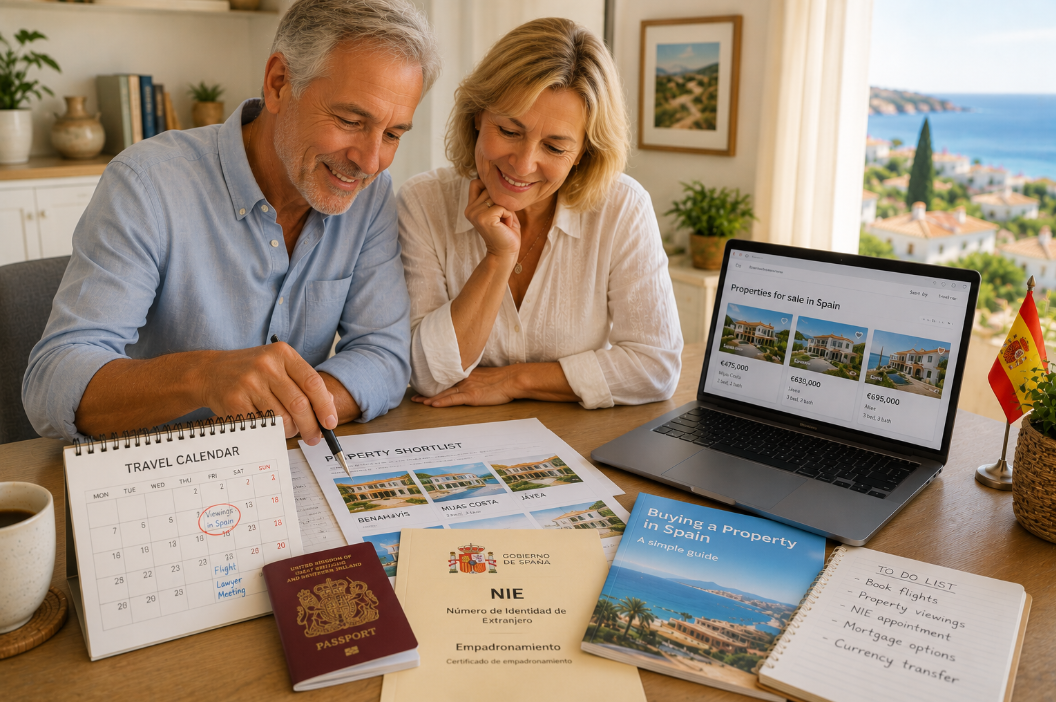
A Spain property search can feel straightforward until viewing trips, legal steps,
family calendars, and the 90 day rule start affecting each other. At the browsing
stage, buyers often think in terms of locations and properties. Once the process
becomes active, time starts to matter in a different way. A week spent waiting for a
second viewing, a delay in receiving legal feedback, or a return trip planned too
close to a previous stay can change how much room a buyer has to make decisions.
The
issue is not Spain itself. The issue is trying to manage a property purchase
without
treating time as part of the purchase plan.
This usually happens because buyers separate the lifestyle decision from the
administrative reality. They think about Spain as a future home, holiday base,
retirement plan, or investment, but they do not always connect that dream to
stay
limits, document timing, lawyer availability, banking checks, and seller
expectations.
A buyer may spend several weeks comparing homes across Costa del Sol, Valencia,
Alicante, or the Balearics, then realise their next viewing window is restricted by
previous travel days. A common buyer mistake is treating the 90 day rule as a
travel
detail instead of a planning factor. It affects how viewings, offers,
completion
dates, renovation meetings, and family visits fit together.
The behavioural pattern is easy to recognise. Buyers hold off making decisions
because they want to see “a few more options” on the next trip. Then the next trip
becomes the decision trip, the legal trip, and the family approval trip all at once.
That creates pressure. If a property looks right but the buyer needs more
information on community fees, local services, rental rules, or renovation costs,
the timeline can tighten quickly. Remote buying can help, but it does not remove
every friction point.
Some decisions still need local context, and some buyers need to stand in the area
at different times of day before they feel confident.
The timeline impact can be direct. A buyer may find a strong property but need to
leave Spain before the reservation contract is reviewed. Another buyer may plan to
return for completion but misjudge how many Schengen days remain. A third may spend
too many days on early viewing trips and then have limited flexibility when the
right property appears.
The timing risk is simple: property decisions often take longer than travel
plans allow. Sellers may not wait, legal teams may need time to review
paperwork, and banking compliance checks can take longer than expected when funds
are moving across borders.
Buyers also overlook how the 90 day rule interacts with the post purchase stage.
Owning a property does not automatically give someone the right to stay longer. This
matters for buyers planning renovations, long summer stays, school visits, furniture
deliveries, or repeated trips to manage the property after completion. It also
matters for families where one person travels more often than another. If the stay
pattern is not planned, the buyer can end up with a property timeline that works on
paper but feels difficult in real life. The overlooked issue is not only how long
you can stay. It is how much usable decision time you actually have while you
are
there.
Before moving forward, buyers should treat stay planning as part of due diligence,
not an afterthought.
- Count past and planned Schengen days before booking another viewing trip
- Decide which trip is for research, which is for viewings, and which is for
decision making
- Speak with an independent lawyer before signing a reservation contract
-
Start NIE and document preparation early
-
Leave time for banking checks and transfer coordination before deposit
deadlines
-
Plan post purchase trips around furniture, utilities, renovation access, and
local appointments
The better approach is not to rush. It is to create a cleaner sequence. Buyers who
understand their timing can view fewer properties with more purpose, ask better
questions, and avoid using limited days on unclear decisions. Spain remains
attractive for many overseas buyers because of its lifestyle, infrastructure,
regional variety, and strong appeal across personal use and rental led plans.
The process simply works better when the travel calendar, legal steps, and purchase timeline are planned together.
|
|


 X
X Facebook
 linkedin