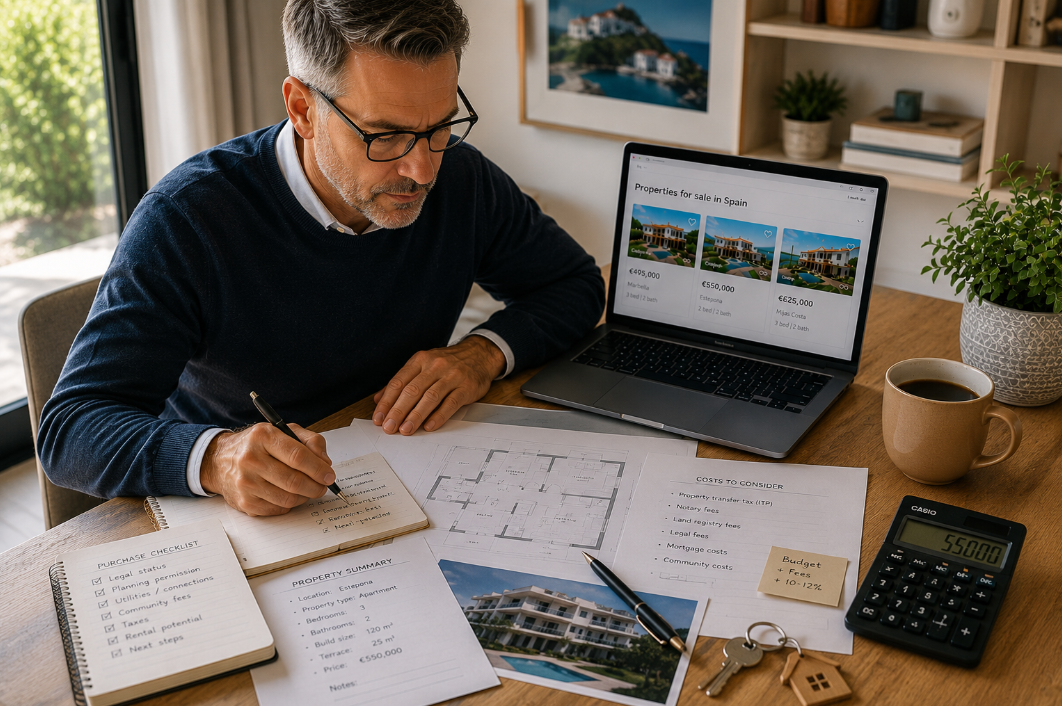
Buying a property in Spain can be a rewarding step, but buyers sometimes focus so closely on the home that they give less attention to the structure surrounding the purchase. The strongest property choice can still become difficult to manage when legal status, building records, community obligations, payment timing, or future use have not been reviewed properly. These are not reasons to approach Spain with concern. They are reminders that an overseas purchase involves several connected decisions.
The most useful protection is a process that checks the property, the paperwork, and the intended use before financial commitments become difficult to change.
1. Relying on the listing description as the complete property record.
Marketing details help buyers decide which homes deserve attention, but they are not a substitute for official records. The registered owner, boundaries, mortgages, charges, rights of way, and other legal details should be checked through the appropriate Spanish records. Extensions, pools, terraces, storage areas, or converted rooms may also need closer review to confirm how they are recorded. A property can still be suitable when a question appears, but the buyer needs to know what is registered before proceeding.
The practical mistake is assuming that every visible part of the home automatically matches the legal description. An independent lawyer can review the title position, planning information, debts, and supporting documents before a private contract is signed.
2. Reviewing the purchase price without examining the property’s ongoing commitments.
Buyers often prepare carefully for taxes and professional fees but spend less time examining what happens after completion. Apartment communities and managed developments may have regular service charges, reserve funds, internal rules, and planned building works. Villas may require greater responsibility for gardens, pools, access roads, security, or private infrastructure. Local property tax, waste charges, insurance, utilities, maintenance, and property management can also shape the annual budget.
A home that fits the purchase budget should also fit the ownership budget.
Request recent community information where relevant, ask about approved or proposed works, and build a realistic annual cost estimate before deciding between properties.
3. Signing a reservation or private purchase agreement before every condition is understood.
A reservation payment can help remove a property from active marketing while the next steps are organised, but the document should clearly explain the payment, timescale, refund position, and conditions. Later private contracts can create stronger obligations and may involve a larger deposit. Buyers should avoid treating these documents as routine forms that require only a quick signature. The wording may affect what happens if finance is delayed, records need clarification, or one party cannot meet the agreed completion date.
The important question is not only how much is being paid. It is what the payment legally commits the buyer to do next. Independent review should take place before signing or transferring funds.
4. Assuming the intended use will automatically be permitted.
A home chosen for personal stays may need a different review from one intended for holiday letting, long term rental, renovation, or business use. Local and regional rules can affect tourist accommodation, licences, community permissions, building work, occupancy, and property alterations.
Rules can vary between autonomous communities, municipalities, and individual developments. A property may suit the buyer personally while not supporting every commercial or renovation plan attached to it. The buyer should confirm the permitted use before including expected rental income or major alterations in the purchase decision. Ask the relevant legal and technical professionals to review the intended use against current local requirements.
5. Leaving payment preparation until the contractual deadline is close.
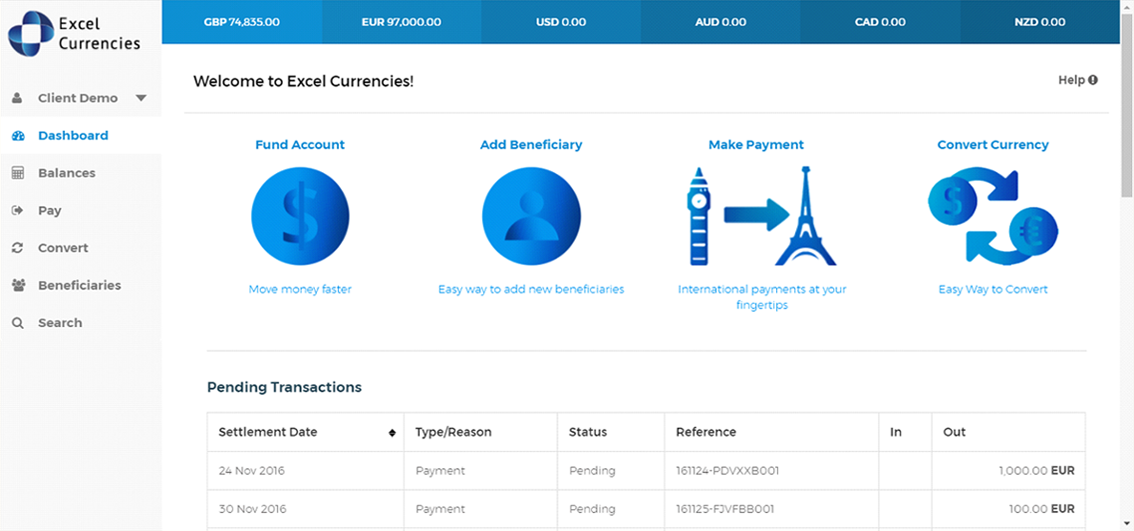
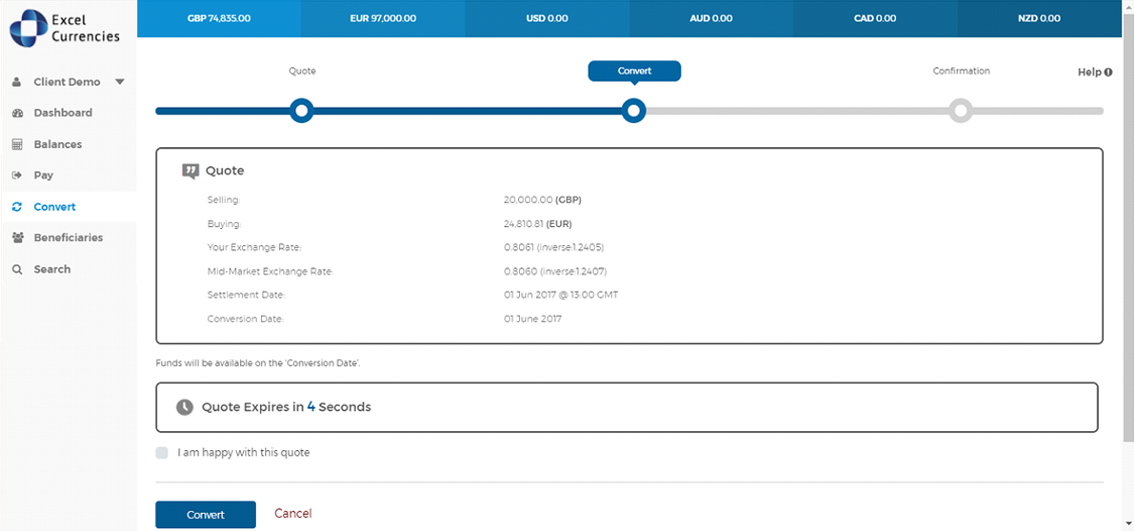
Overseas property payments can involve proof of funds, account verification, banking checks, transfer limits, receiving account details, and coordination between several professionals. A buyer may have the full amount available and still need time to complete these steps. Last minute changes to beneficiary information or unexplained payment instructions should always be verified through a trusted contact using established details. Before proceeding, confirm the payment schedule, source of funds requirements, account verification process, and time needed for transfers.
The strongest final step is to connect legal approval with payment readiness.
Buyers who confirm both before signing can approach completion with a clearer timeline and fewer avoidable complications.
Before You Proceed
• Request current Land Registry information
• Have all contracts reviewed independently
• Confirm annual costs and community commitments
• Check that the intended use is permitted
• Verify payment details through a trusted channel
Spain offers a wide range of homes across cities, coastal areas, islands, and inland communities. Good preparation does not reduce that appeal. It helps buyers compare opportunities on complete information rather than photographs and price alone.

 X
X Facebook
 linkedin